

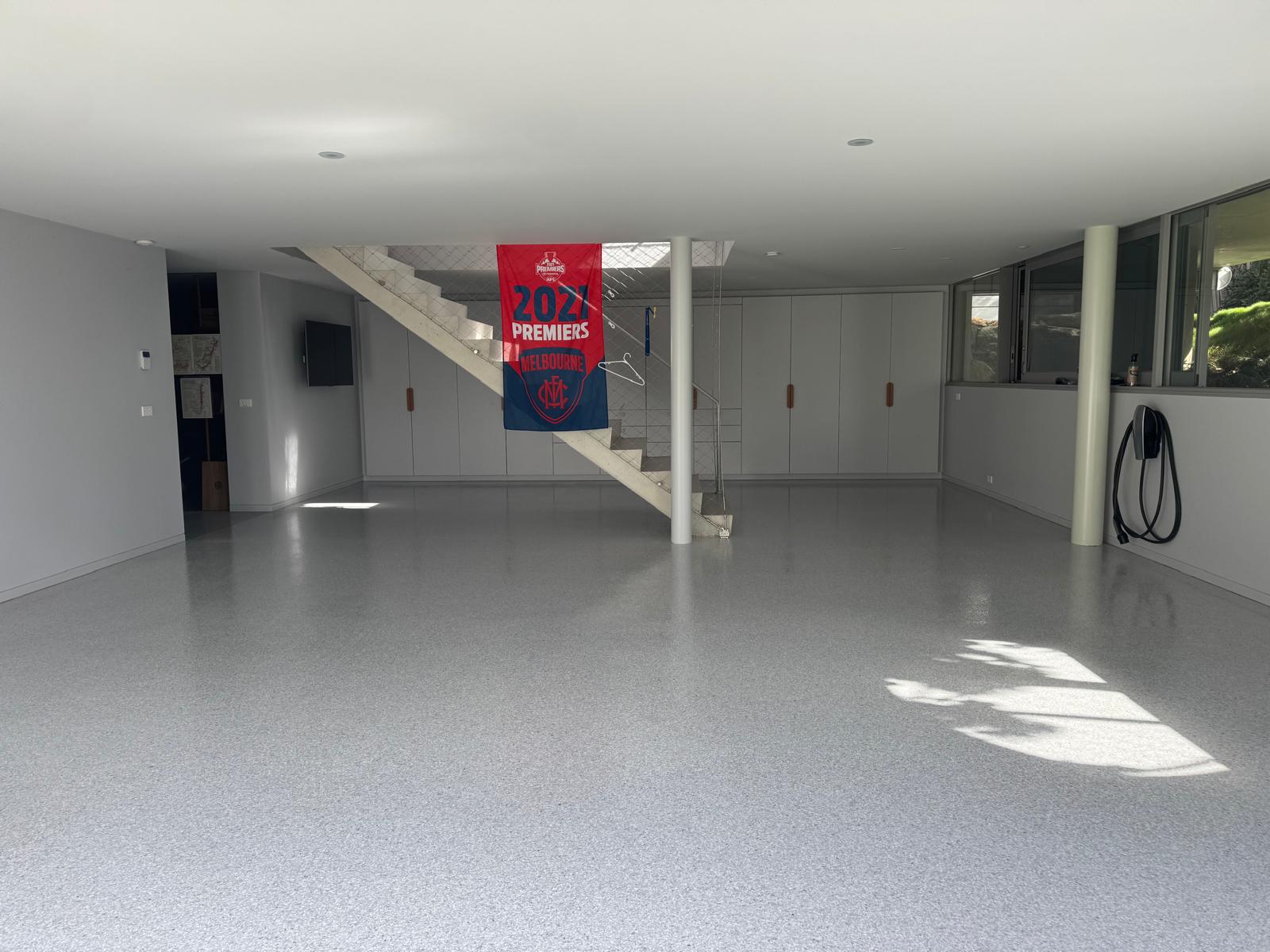
A garage floor needs to handle regular vehicle movement, dirt, moisture, and everyday activity without becoming difficult to maintain. The right finish can also make the garage look more organised and usable. When comparing garage floor coating, Australian property owners should consider the concrete condition, traffic levels, preparation process, and maintenance requirements. Understanding different garage flooring options can make the selection process more straightforward.
Start With Garage Usage
Begin by considering what happens inside your garage. Some garages are mainly used for parking, while others function as workshops, storage areas, hobby rooms, or additional household space.
Vehicle traffic is an important consideration, but it is not the only one. Think about whether tools are regularly used, heavy items are stored on the floor, or equipment is moved around frequently.
A garage used for several purposes may require a flooring system that balances durability, appearance, cleaning, and everyday comfort.
Inspect the Existing Concrete
Before applying any coating, the existing concrete should be assessed. Older garage slabs may have cracks, stains, surface wear, uneven areas, or remnants of previous coatings.
These conditions can influence the amount of preparation required. Cleaning may be enough for some surfaces, while others may need mechanical preparation or repairs.
A professional inspection can help identify potential concerns before installation. It also gives the flooring provider an opportunity to recommend a system based on the actual condition of the slab.
Understand Garage Floor Coating Systems
A garage floor coating can provide a finished surface over suitable concrete. Different systems can vary in materials, thickness, texture, appearance, and installation requirements.
Epoxy is one commonly considered option, while other resin-based systems may offer different characteristics. The best choice depends on the garage environment rather than simply selecting the most heavily marketed product.
Ask the flooring provider what system they recommend and why. Questions about preparation, coating layers, curing, maintenance, and expected traffic can help you understand the complete installation.
Compare Garage Flooring Options
When comparing garage flooring, look at both performance and appearance. Coated concrete can create a seamless surface, while decorative flakes can introduce colour and visual variation.
Interlocking tiles offer another approach and can provide a different installation and replacement method. Concrete sealers or stains may also be suitable for some garages where a simpler finish is preferred.
Each option has different maintenance and installation requirements. Consider the condition of your slab, how much work you want to invest in preparation, and how the finished floor should look.
Consider Vehicle Traffic
Vehicles introduce dirt, water, road debris, and occasional fluid spills into a garage. Repeated tyre movement can also place demands on the surface.
Think about the number of vehicles using the garage and whether heavier vehicles or equipment will be present. Areas where vehicles turn or park regularly may experience more wear than less-used sections.
A flooring professional can help match the proposed system to these conditions. Discussing traffic patterns can be especially useful when deciding between different coating specifications.
Think About Moisture and Climate
Australian garages can experience moisture from rain, wet vehicles, cleaning, and local environmental conditions. The existing concrete should be checked for moisture concerns before a coating is installed.
Application conditions can also matter. Temperature, humidity, and surface moisture may affect how some flooring materials are installed and cured.
Ask the contractor about the recommended installation conditions and whether any moisture assessment is needed. Addressing these considerations before work begins can make project planning easier.
Pay Attention to Surface Texture
A garage floor should be practical when wet. Very smooth surfaces may become slippery when exposed to water, so an appropriate texture can be worth considering.
Texture should balance traction with cleanability. A heavily textured surface may provide additional grip but could require more effort to keep free from dirt.
Discuss the available finishes with the contractor and consider how the garage is normally used before choosing the final texture.
Plan for Cleaning
Garages naturally collect dust, grit, leaves, and other debris. A flooring system that is straightforward to sweep and clean can make regular maintenance easier.
Ask which cleaning products are suitable for the selected coating. Spills should also be handled according to the flooring manufacturer’s recommendations.
Maintenance requirements should be discussed before installation so you know what ongoing care the finished surface will need.
Compare Australian Flooring Providers
When choosing a flooring company, review its experience, preparation methods, coating systems, previous work, and maintenance guidance.
A detailed quotation should explain the preparation process, repairs, coating layers, decorative options, and curing requirements. Comparing the complete scope helps you understand what you are paying for rather than focusing only on the advertised finish.
It is also worth asking about scheduling and how long the garage needs to remain unavailable during installation.
Conclusion
The right garage floor should reflect how the space is actually used. Concrete condition, traffic, moisture, safety, appearance, maintenance, and preparation all deserve consideration before selecting a system. If you are researching garage flooring solutions in Australia, johnsonsflooring.com.au can be a useful starting point for exploring available flooring services. Comparing the complete system rather than just the surface appearance can help you make a more informed choice.